


Medical Industry
Laser Technology Effectively Promotes the Development of Modern Medical Industry.
Advantages of Laser Technology in The Medical Industry
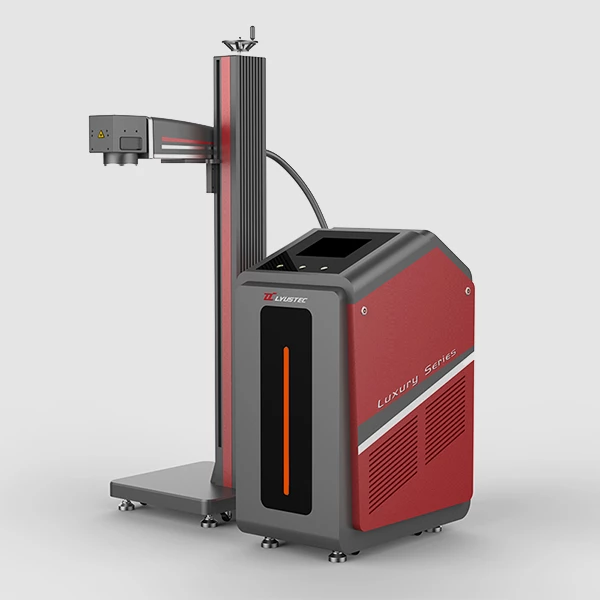
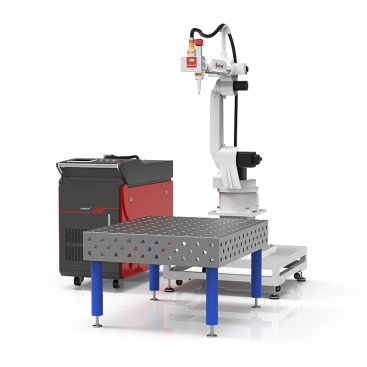
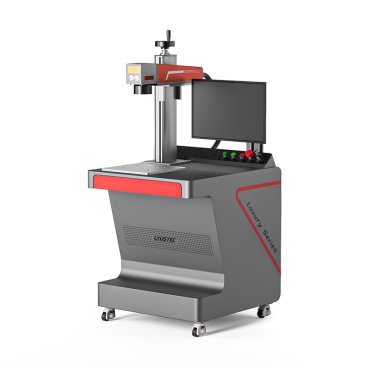
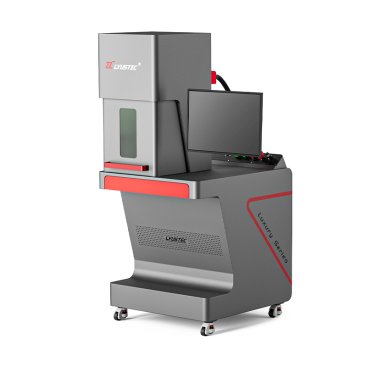
Laser technology plays a pivotal role in the medical industry by enabling precise manufacturing processes, ensuring device reliability and safety, and advancing therapeutic and surgical capabilities. Medical devices require clear and permanent identification for traceability and regulatory compliance. Laser marking machines can mark intricate details like serial numbers, barcodes, and logos on various materials. Small and intricate medical device components require precise and strong joints. Laser welding machines can create seamless and durable bonds in metals and thermoplastics materials. Besides, lasers are used for cutting, drilling, and surface modification of medical components.
Precision:
Laser technology can precisely control energy and can process metal and plastic materials without damaging the material’s properties and integrity, which is very important for the manufacture of precision medical devices.
Minimal Heat Affected Zone:
The focused heat of the laser minimizes the HAZ, reducing the risk of damage to adjacent materials and maintaining the biocompatibility of medical devices.
Easy to Automate:
Laser systems can be integrated into automated production lines, improving efficiency and reducing labor costs.
Versatility:
Laser technology can process a wide range of materials, including metals, ceramics, plastics, and biological tissues, making it adaptable to diverse medical applications.
Identification and Traceability of Medical Products
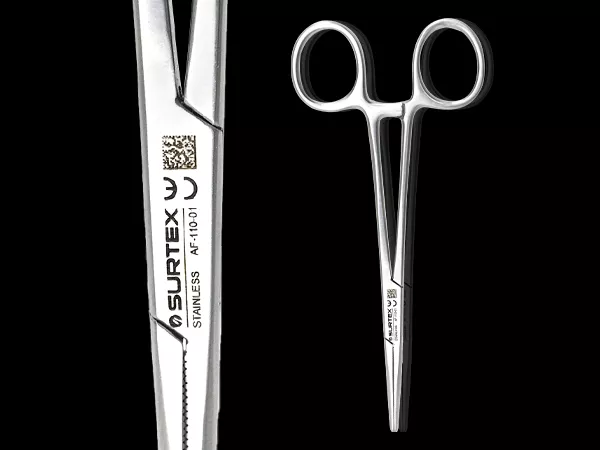
Medical devices require clear and permanent markings to comply with regulatory standards. Laser marking provides high precision and durability without compromising the structural integrity or biocompatibility of materials. Laser marking is used extensively to engrave serial numbers, barcodes, logos, and other identifiers on medical devices. For example, laser marking system marks UDI on stainless steel surgical scissors and dental implants.

Precision perforation of hard capsules:
Laser marking machine can create precise perforations in hard gelatin capsules to facilitate and enhance the breathability and functionality of packaging materials. According to public data, fast-disintegrating capsules for administration in the oral cavity are prepared by perforating conventional hard capsules. The disintegration time of conventional hard gelatin capsules (HGC) was reduced from 91 to 39 s by introducing 6-10 small holes (diameter =25-50 microns) into the capsule shell.
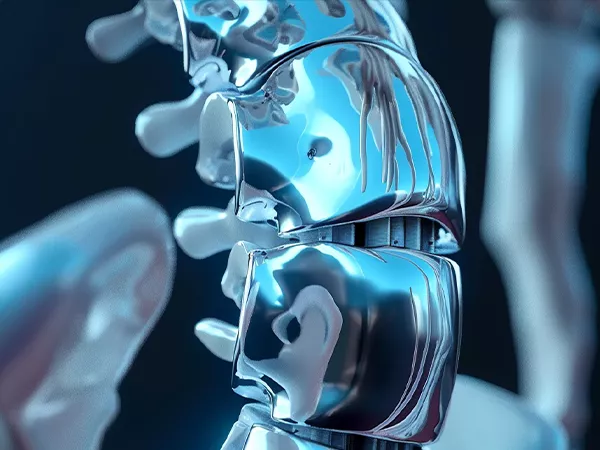
Precision Welding of Orthopedic Implants / Assembly of Medical Devices
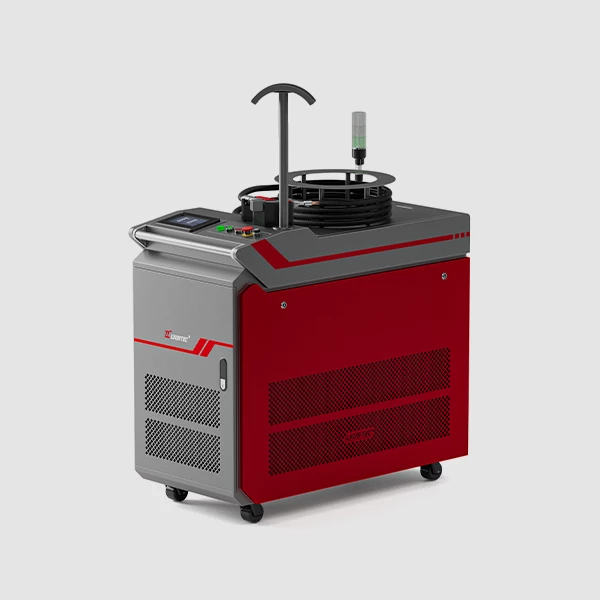
Laser welding is crucial for welding components in medical devices such as surgical instruments, implants, and catheters. Titanium and stainless steel implants used in orthopedic surgeries require precise assembly techniques to ensure integrity and biocompatibility. Laser welding machines are particularly well-suited for this application due to its ability to create strong, clean welds with minimal heat input, ensuring implant longevity and patient safety. By using laser welding machine, manufacturers can achieve seamless joints in complex implants such as hip and knee prostheses. This technology not only enhances the durability and functionality of orthopedic implants, but also supports faster recovery times.
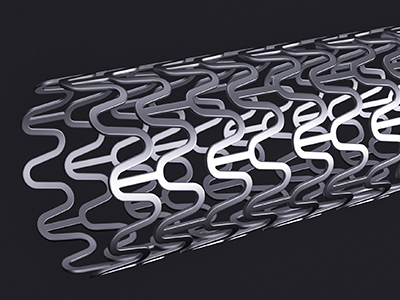
Precision Cutting of Stent Systems
Lasers are used to cut intricate shapes and patterns in materials like metals (e.g., stainless steel, titanium) and polymers (e.g., PEEK, polyethylene) for medical devices and implants. This includes cutting stents, bone plates, and other custom implants with high precision. Laser cutting machine can precisely cut complex coronary stent systems, ensuring exact dimensions and shapes tailored to patient needs. The laser’s high precision results in smoother edges and minimal material waste compared to traditional mechanical cutting methods. Moreover, laser cutting machines create fine details and complex geometries that are crucial for enhancing stent performance, such as improving flexibility and ensuring optimal expansion properties during deployment.
Applications
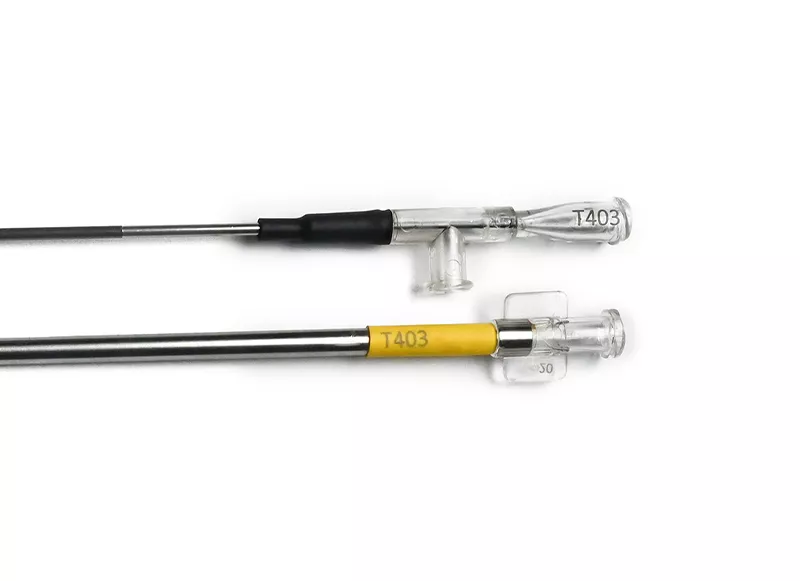
Syringes precision marking

Pill marking
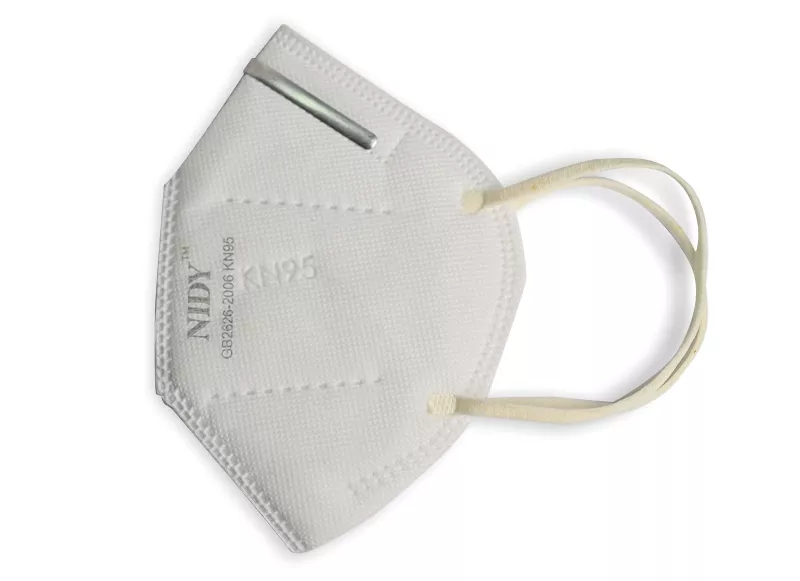
Mask cutting and marking
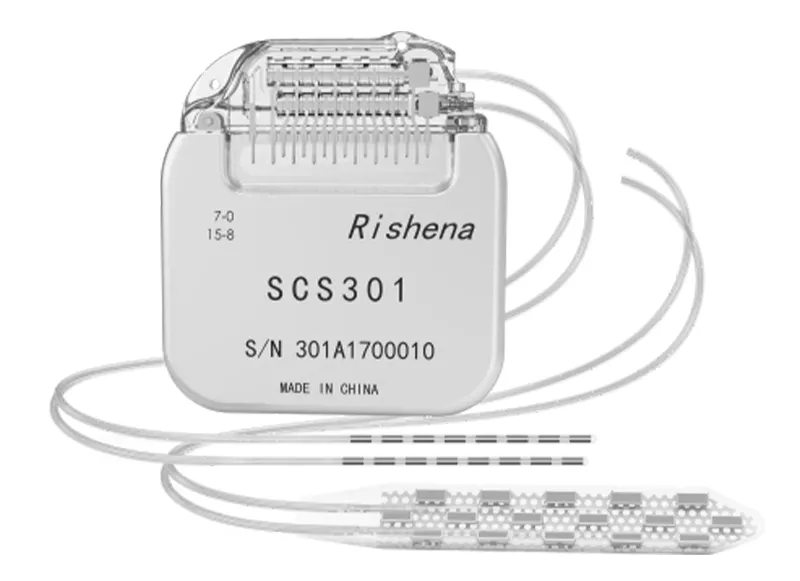
Spinal cord stimulators

Dental Instrument Welding
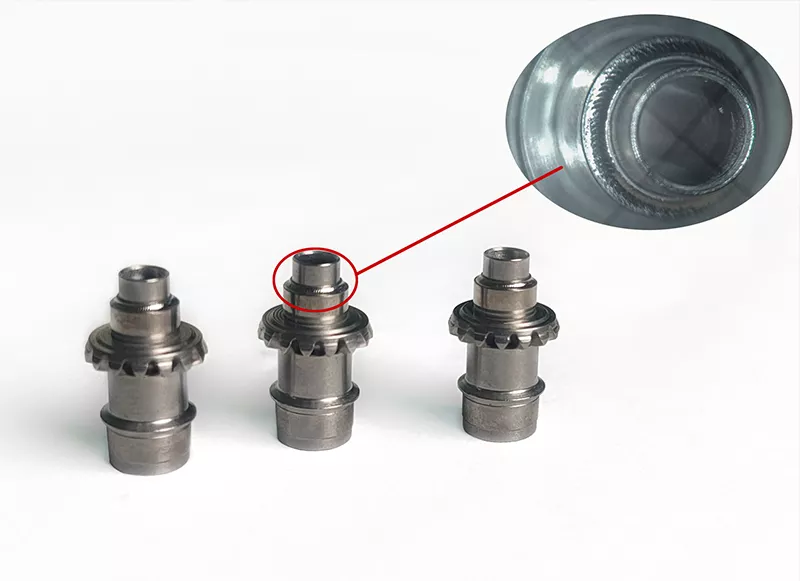
Dental Instrument Welding
Contact Us !
If you have any ideas or suggestions, please contact us!